Pure Silk
Varanasi, Kanchipuram, Assam, Bishnupur — India’s great silk traditions
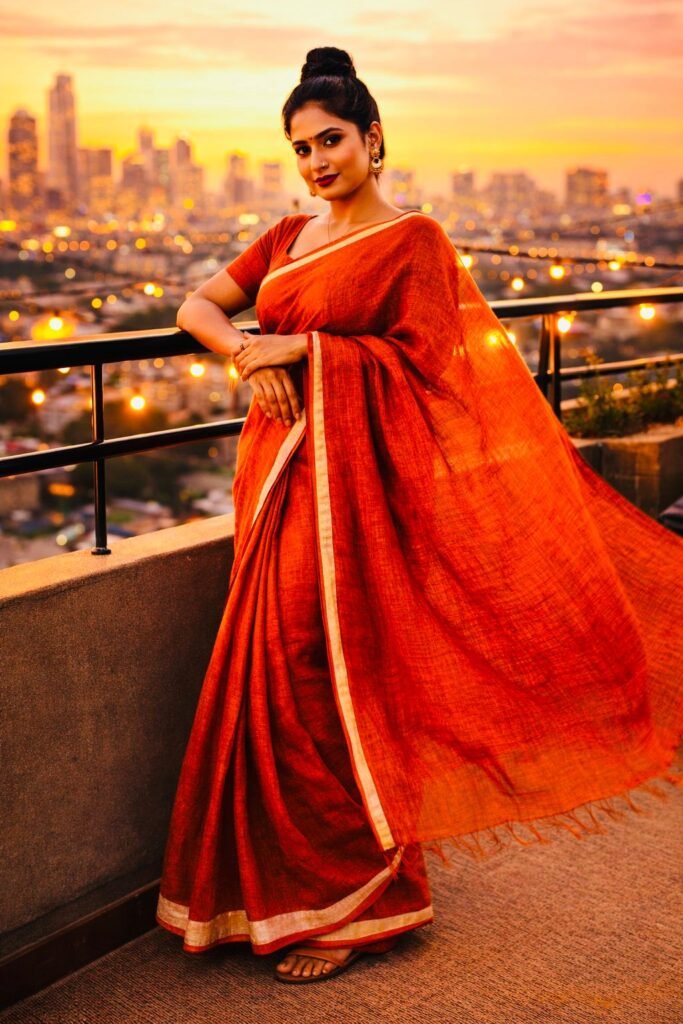
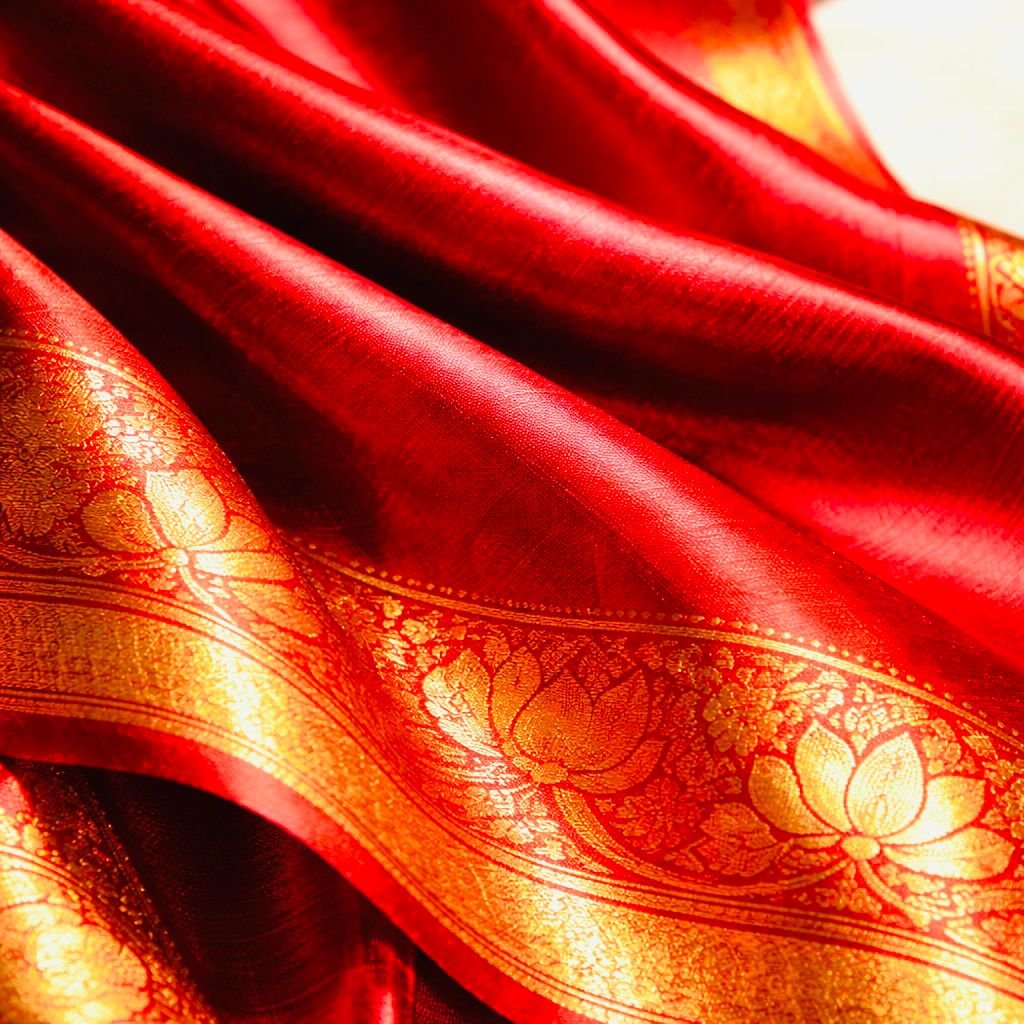
Silk is the fabric that civilisations have gone to war over, traded empires for, and woven into legends. It is produced by the silkworm — a caterpillar that spins a cocoon of continuous filament that can be unwound into a thread of extraordinary strength, lustre, and fineness. A single silkworm produces a filament that can be up to one kilometre long. Pure silk has a natural sheen that no synthetic fabric has ever convincingly replicated. It catches light differently at different angles, creating a luminosity that shifts as the wearer moves. It drapes with a weight and a flow that gives the body a particular grace, and it takes dye with an intensity that creates the deep, saturated jewel colours that Indian silk is famous for across the world.
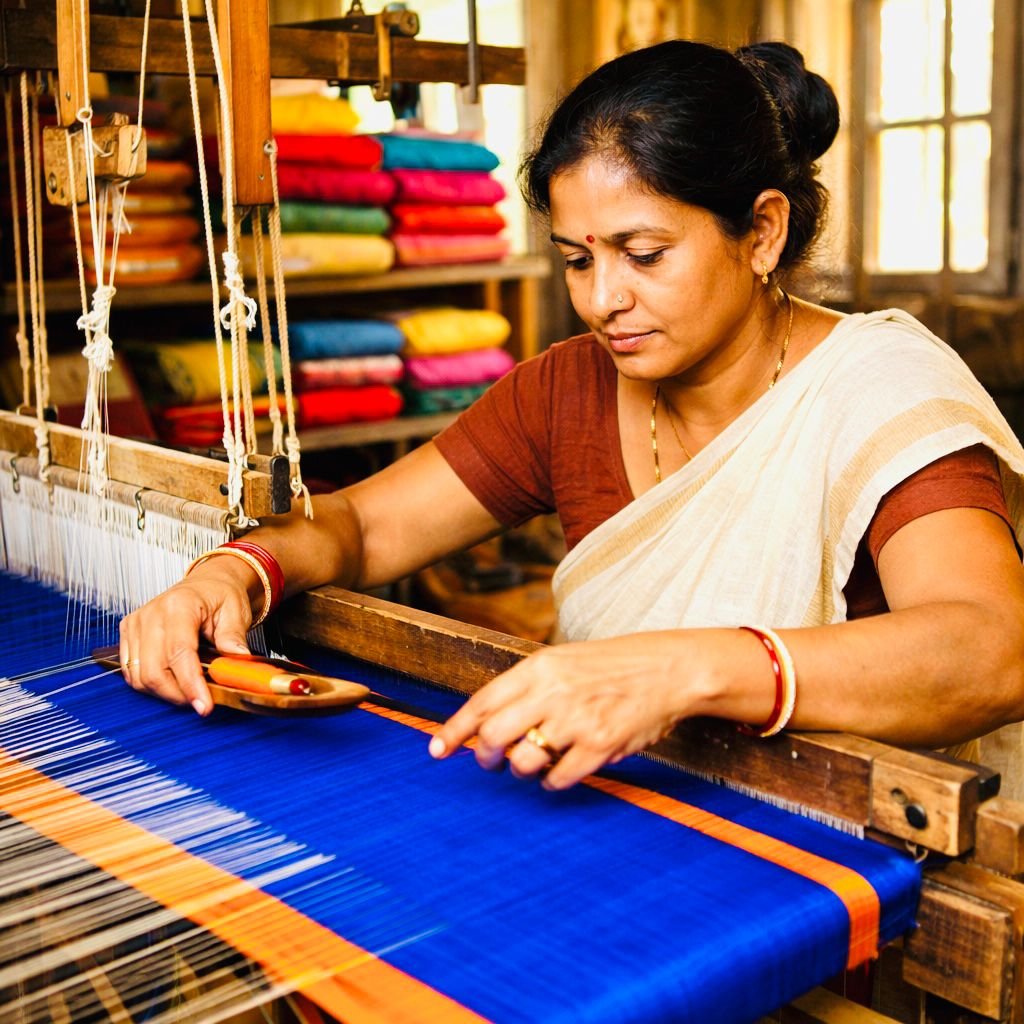
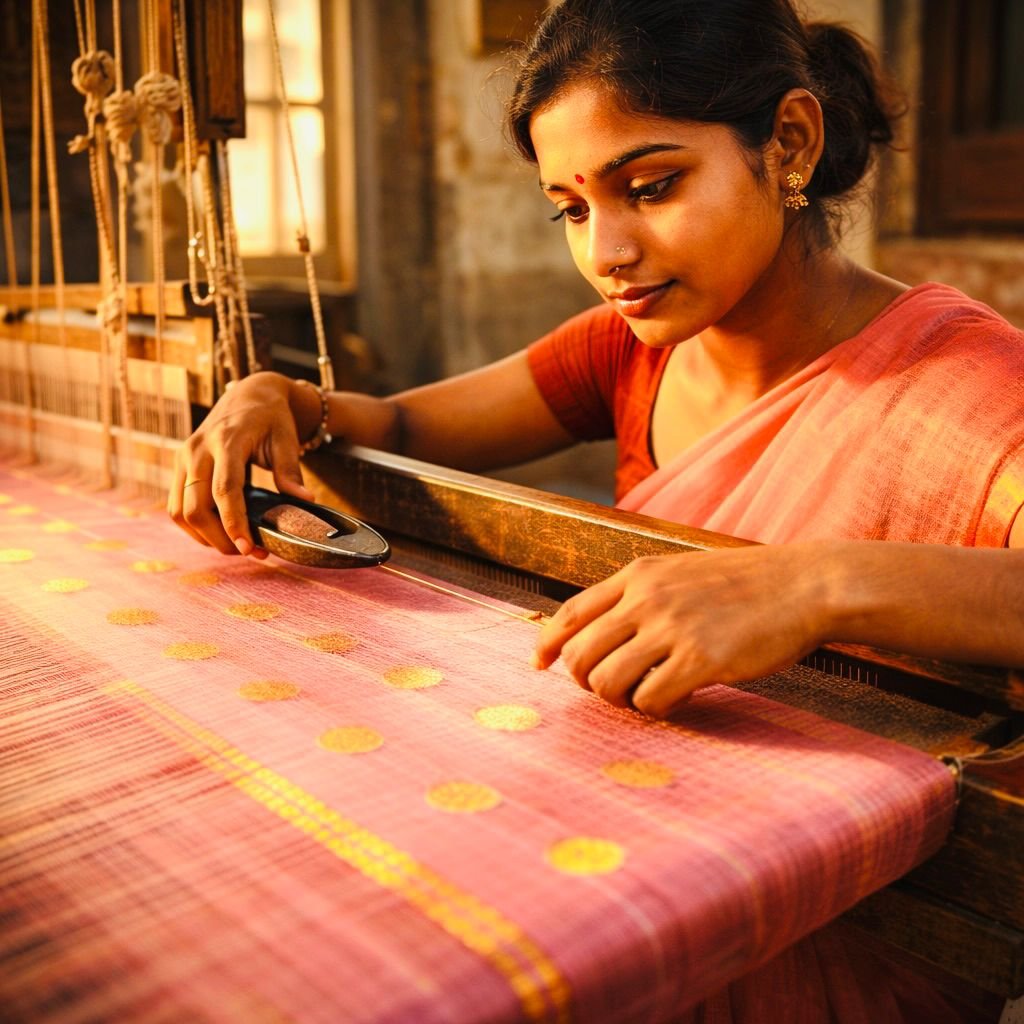
At Hastkaar-E-Khaas, pure silk means exactly what it says — no blends, no synthetics, no shortcuts. Our silk comes from the great weaving traditions of India: the heavy brocaded silks of Varanasi, the structured temple-woven silks of Kanchipuram, the golden Muga silk of Assam, and the delicate Baluchari silks of Bishnupur.