Tussar Silk
Jharkhand, Bihar, West Bengal, Odisha — the wild silk of the forest
Tussar silk is silk from the forest. Unlike mulberry silk — produced by silkworms fed on cultivated mulberry leaves — Tussar comes from wild silkworms that feed on trees like Asan, Arjun, and Som in the forests of Jharkhand, Bihar, and Odisha. This gives Tussar its distinctive character: a warm natural golden-beige colour, a slightly coarser texture, and a matte finish that is entirely its own.
.
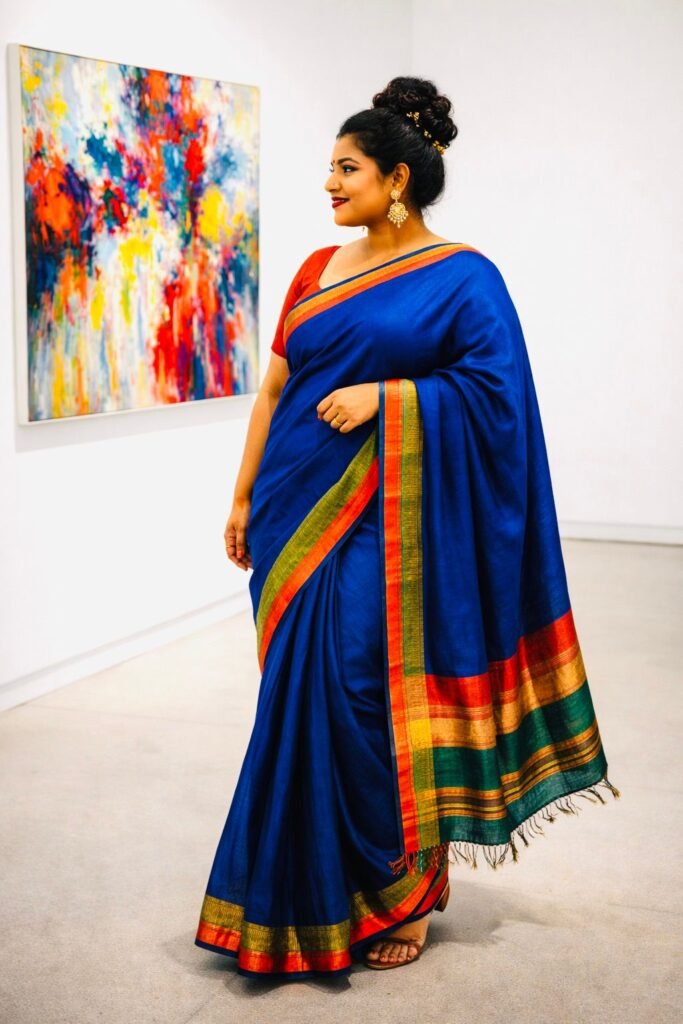
Tussar cannot be bleached to pure white — its natural pigment is part of its identity. Tussar sarees are dyed in colours that work with the fabric’s inherent warmth: rich terracottas, deep indigos, forest greens, burnt siennas. These colours do not fight the fabric — they deepen it. The result is a palette that feels entirely Indian, rooted in the earth and the forest that produced the raw material.
.
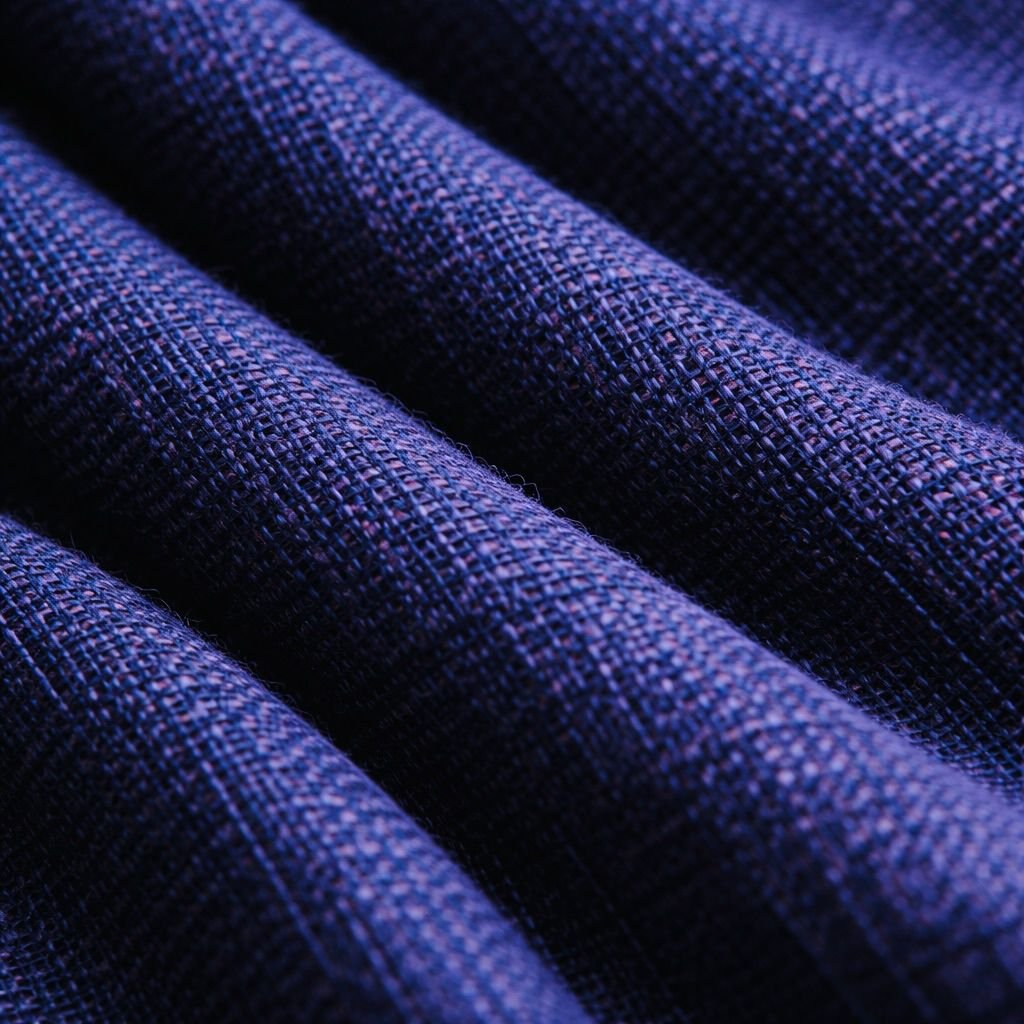
What makes Tussar particularly precious is its texture. It has a subtle sheen without the high gloss of mulberry silk, a slight body that makes it drape beautifully, and a warmth to the touch that feels alive. Tussar sarees are often printed with traditional motifs using block printing, or left plain to let the natural colour speak for themselves.